 Sean Plundeke
Towing service for classic and vintage cars is a specialized area that requires not only expertise but also a deep understanding of the unique needs of these vehicles. Classic and vintage cars often represent cherished memories and significant investments for their owners, necessitating a careful approach to their transportation. This service ensures that these prized automobiles are handled with the utmost care, utilizing specialized equipment and techniques designed to mitigate risks associated with towing.
The importance of thorough knowledge in this field cannot be overstated, as the safety and integrity of classic and vintage cars depend heavily on the methods and equipment used during towing. In this discussion, we will explore the various aspects that make towing these unique vehicles a specialized service, including the potential risks of inadequate towing and the criteria for selecting a reliable towing provider.
The importance of specialized towing services for classic and vintage cars must be addressed thoroughly.
Classic and vintage cars are not just modes of transportation; they are pieces of art, history, and sometimes, family heirlooms. The uniqueness of these vehicles requires a specialized approach when it comes to towing. Unlike contemporary cars, classic and vintage models often come with delicate components and irreplaceable parts, making their safe transport essential to preserve their value and integrity.Towing classic and vintage cars poses unique challenges that standard towing services may not be equipped to handle.
These vehicles often have lower ground clearance, more fragile frames, and sensitive electrical systems that can be easily damaged during transport. Additionally, many vintage cars may still have original parts that are difficult or impossible to replace. Therefore, a tailored towing solution is critical to ensure that the vehicle is not only safely transported but also remains in the best possible condition.
Specialized Equipment for Safe Transport
Utilizing specialized equipment is vital for the safe transport and preservation of classic and vintage cars. Unlike standard towing trucks, which may use flatbeds or traditional tow hitches, specialized towing services employ equipment designed to accommodate the unique requirements of these vehicles. The following aspects highlight the importance of specialized towing equipment:
- Low-Profile Tow Trucks: These are designed for vehicles with low ground clearance, ensuring that the car does not scrape against any components during loading or transport.
- Soft Ties and Straps: Instead of chains that can scratch or damage the exterior, soft straps are used to secure the vehicle without causing harm to the paintwork or body.
- Climate-Controlled Trailers: For particularly rare or valuable cars, climate-controlled environments help prevent damage caused by temperature fluctuations and humidity during transport.
In contrast to standard towing practices, which may involve basic loading ramps and simple securing methods, specialized services take into account every detail that could affect the vehicle’s condition. For example, a typical tow operation might use a standard winch system, whereas a vintage car tow would utilize a carefully calibrated system to ensure minimal stress is placed on the vehicle’s frame.
This level of attention not only safeguards the car but also provides peace of mind for the owner, knowing their prized possession is in capable hands.
Identifying the risks associated with inadequate towing for classic and vintage cars is crucial.

Towing classic and vintage cars requires a level of precision and care that is often overlooked. These vehicles, cherished for their historical significance and unique craftsmanship, are particularly vulnerable to damage during improper towing. Understanding the potential risks can help owners and towing professionals ensure the safe transport of these valuable automobiles.The potential damage from inadequate towing practices can be extensive.
Classic and vintage cars often feature delicate components and unique materials that may not withstand the stresses of improper towing. For instance, damaging the suspension system can lead to costly repairs. Towing a vehicle with a hitch that does not properly align with the car can cause misalignment of the wheels, leading to tire wear or even damage to the drivetrain.
Additionally, using improper securing mechanisms can result in the vehicle shifting during transport, risking scratches or dents on the bodywork or, worse yet, complete detachment from the towing vehicle. Furthermore, exposure to the elements during towing, especially if the car is not adequately covered, can lead to weather-related damage, such as rust or fading of paint.
Consequences of Poor Towing Practices
Several testimonials highlight the dire consequences of inadequate towing techniques. For example, a classic car owner recounted how their 1967 Mustang sustained significant damage due to being towed with an incorrect setup. The vehicle’s front fender was severely dented when it shifted during transport, resulting in expensive bodywork repairs. Another case involved a vintage Rolls Royce that experienced transmission issues after being towed with its wheels on the ground, as the improper method led to fluid leakage.
These incidents underscore the importance of using specialized towing methods designed for classic vehicles.Common mistakes made during the towing process can lead to significant issues. Recognizing these errors can prevent costly repairs and maintain the integrity of classic cars. The following list highlights frequent missteps:
- Using incorrect towing equipment designed for modern vehicles rather than specialized tools for classic cars.
- Failing to secure the vehicle properly, allowing for movement during transport.
- Neglecting to disconnect the battery, which can cause electrical issues during towing.
- Ignoring the weight distribution of the vehicle, which can lead to instability while towing.
- Not consulting the owner’s manual for specific towing instructions related to the classic model.
Each of these mistakes can lead to damage that diminishes the value and performance of classic and vintage automobiles, making awareness of proper towing techniques essential for their preservation.
The selection criteria for a reliable towing service for classic and vintage cars need to be discussed.
Choosing a towing service for classic and vintage cars requires careful consideration. These vehicles are not just modes of transportation; they represent significant investments, history, and passion. Selecting a reliable service ensures that your cherished car is handled with the utmost care and expertise, minimizing the risk of damage during transport.When evaluating a towing service specifically for classic vehicles, it is essential to consider several key factors that distinguish a reputable provider.
These factors ensure that the service is equipped to manage the unique needs of vintage automobiles, which often require specialized handling and equipment.
Key Factors to Consider When Choosing a Towing Service
The following criteria are crucial when selecting a towing service for classic and vintage cars:
- Experience with Classic Vehicles: A credible towing service should have extensive experience in handling classic cars. This experience ensures that the staff understands the intricacies of these vehicles, including their handling and maintenance requirements.
- Specialized Equipment: The service should utilize appropriate towing equipment, such as flatbeds with soft straps, to avoid damage to the vehicle’s body and tires. Standard tow trucks may not provide the necessary care, leading to potential harm.
- Insurance and Licensing: Ensure that the towing company is fully licensed and insured. This protects you and your vehicle in the event of any accidents or damages that may occur during transportation.
- Reputation: Look for a towing service with a solid reputation within the classic car community. Services that have a history of satisfied customers are more likely to deliver quality care.
In addition to the above criteria, the qualifications and experience of the towing service should be carefully evaluated to ensure that they are capable of handling classic vehicles without compromising their condition.
Qualifications and Experience Checklist for Towing Services
It is vital to verify the following qualifications when assessing a towing service for classic cars:
- Trained and Certified Personnel: The team should have proper training in towing and handling vintage vehicles, ensuring they are knowledgeable about the specific needs of these cars.
- Positive Customer Reviews: Seek out testimonials from previous clients to gain insights into the service’s reliability and quality. Look for experiences specifically related to classic cars.
- Affiliation with Classic Car Organizations: Membership in reputable classic car organizations may indicate a commitment to maintaining high service standards.
- Availability of 24/7 Service: A reliable towing service should provide round-the-clock assistance to address emergencies that may arise with classic vehicles at any time.
Reading reviews and seeking recommendations from classic car communities is equally important. Engaging with other classic car enthusiasts can provide invaluable insights and firsthand experiences regarding reputable towing services.
Importance of Reviews and Recommendations, Towing service for classic and vintage cars
Gathering information through reviews and recommendations from established classic car communities can significantly influence your choice of a towing service. Such feedback often reflects the quality of service provided and can help avoid potential pitfalls.
- Community Trust: Recommendations from fellow classic car owners can lead you to trustworthy towing services that have proven their reliability.
- Specific Experiences: Reviews often detail specific experiences, allowing you to gauge how the service performed with classic and vintage cars in particular.
- Comparative Insights: Engaging with the community can help compare various towing services and determine which best suits your needs based on shared experiences.
Comparing various types of towing methods available for classic and vintage cars is essential for understanding.: Towing Service For Classic And Vintage Cars
Understanding the different towing methods available for classic and vintage cars is crucial for ensuring their safety during transport. Each method has its own advantages and disadvantages, particularly concerning how they affect the structural integrity and overall condition of these cherished vehicles. Below is an examination of several towing methods, including flatbed and wheel-lift towing, and a comparison of their features.
Types of Towing Methods
The primary towing methods for classic and vintage cars include flatbed towing and wheel-lift towing, among others. Each of these methods has its own unique characteristics that influence the safety and preservation of classic cars.
1. Flatbed Towing
This method involves transporting a vehicle on a flat, level platform. The car is secured in place, removing any stress from the suspension and tires.
Pros
Provides complete support to the vehicle, reducing the risk of damage.
Ideal for low-profile cars that may scrape or get damaged using other methods.
Cons
Often more expensive due to the equipment required.
May not be available with all towing companies.
2. Wheel-Lift Towing
This method lifts only the front or rear wheels of the vehicle off the ground while the other set remains on the road.
Pros
Generally lower cost and quicker than flatbed towing.
Suitable for vehicles without significant ground clearance issues.
Cons
Puts stress on the towed car’s drivetrain, which can be damaging for classic cars.
Less secure than flatbed, particularly for long-distance transport.
3. Tow Dolly
This method allows the front wheels of the vehicle to be lifted onto a dolly while the rear wheels remain on the ground.
Pros
More affordable option for certain types of vehicles.
Easier to maneuver than flatbed trailers.
Cons
May cause wear and tear on the vehicle’s suspension and tires.
Not recommended for vehicles with automatic transmissions.
| Towing Method | Pros | Cons |
|---|---|---|
| Flatbed Towing | Complete vehicle support, minimizes damage risk | Higher cost, limited availability |
| Wheel-Lift Towing | Cost-effective, quicker service | Potential drivetrain stress, less secure |
| Tow Dolly | Affordable, easier maneuverability | Wear on suspension, not for automatics |
Each towing method presents its own set of features that should be carefully considered to ensure the protection of classic and vintage cars during transport.
Highlighting the role of insurance and liability coverage in towing classic and vintage cars is important.
In the realm of classic and vintage car towing, insurance and liability coverage play a critical role in safeguarding both the vehicle owner and the towing service provider. These specialized vehicles not only possess significant monetary value but also carry sentimental importance, making it imperative to ensure adequate insurance coverage during their transport.Towing services for classic and vintage cars should encompass various types of insurance coverage to protect against potential damages or liabilities.
These may include general liability insurance, which covers third-party claims for bodily injury or property damage, and cargo insurance that specifically protects the vehicle being towed. Additionally, comprehensive and collision insurance can provide coverage for damages that may occur to the vehicle itself during transport. Many towing companies also opt for specialized insurance plans that cater specifically to high-value vehicles, ensuring all potential risks are mitigated.
Implications of coverage lapses during towing incidents
Coverage lapses during towing incidents can have serious consequences for both the towing service and the vehicle owner. If a towing company lacks adequate insurance coverage at the time of an accident, the financial burden of any damages may fall entirely on the towing service, potentially leading to significant out-of-pocket expenses. For vehicle owners, this can mean that if their car is damaged during towing, they may not receive compensation for repairs or replacement.
Furthermore, such lapses can also expose the towing service to legal liabilities, resulting in lawsuits and reputational damage.It is crucial for vehicle owners to be proactive in understanding the insurance policies of their selected towing service. The following list Artikels essential inquiries that should be made regarding insurance practices before engaging a towing service:
- Verification of the towing service’s current insurance policy and coverage limits.
- Clarification on whether they hold specialized insurance for classic and vintage vehicles.
- Inquiry about the extent of liability coverage in case of accidents or damages incurred during towing.
- Confirmation of whether they have cargo insurance specifically for the vehicle being towed.
- Understanding the process for filing claims in the event of an incident.
“Proper insurance coverage is not just a requirement, but a peace of mind for owners of classic and vintage vehicles during towing.”
Exploring the process of preparing a classic or vintage car for towing is vital for vehicle owners.
Preparing a classic or vintage car for towing requires meticulous attention to detail to ensure the vehicle’s safety and integrity. The process not only protects the car but also eases the towing experience. This guide offers essential steps to prepare a vintage vehicle for towing, along with necessary precautions and items to keep in the car.
Step-by-Step Guide for Safe Towing Preparation
Proper preparation is key to a successful towing experience. Follow these steps to ensure your classic car is ready for transport:
1. Inspect the Vehicle
Thoroughly check the car for any existing damage. Note any issues that may require special attention during towing.
2. Remove Loose Items
Clear the interior and trunk of any items that could shift during transport, potentially causing damage.
3. Secure the Battery
Ensure the battery is secured and properly connected. Disconnect the negative terminal if the vehicle will be in transit for an extended period.
4. Check Tire Pressure
Inflate tires to the recommended pressure. Flat or low tires can complicate the towing process.
5. Prepare for Loading
If possible, park the car near a flat, open area where the towing truck can easily access it. Ensure the parking brake is engaged.
6. Document Condition
Take detailed photographs of the vehicle from multiple angles as a record of its condition before towing.
Necessary Precautions Before Towing Truck Arrival
Prior to the arrival of the towing truck, several precautions must be taken to protect the vehicle and ensure a smooth process.
- Ensure all windows are closed to prevent water or debris from entering the car.
- Disable any alarm systems to prevent false alarms during towing.
- Inform the tow operator of any specific handling instructions, particularly for high-value or delicate parts.
Items to Include in the Car for Towing
Including essential items in the vehicle during towing can facilitate easier handling and provide necessary information for the towing service. Consider placing the following in the car:
Owner’s manual
Essential for reference regarding specific vehicle care.
Spare keys
To ensure accessibility for the towing service.
Insurance information
Important for any claims or assessments.
Contact information
A list of contacts for questions or emergencies.
Spare tire and jack
Useful in case of unforeseen issues during loading or unloading.By adhering to these preparation steps and precautions, vehicle owners can significantly mitigate risks associated with towing classic or vintage cars, ensuring they arrive at their destination safely and securely.
The benefits of using a towing service experienced with classic and vintage cars should be emphasized.
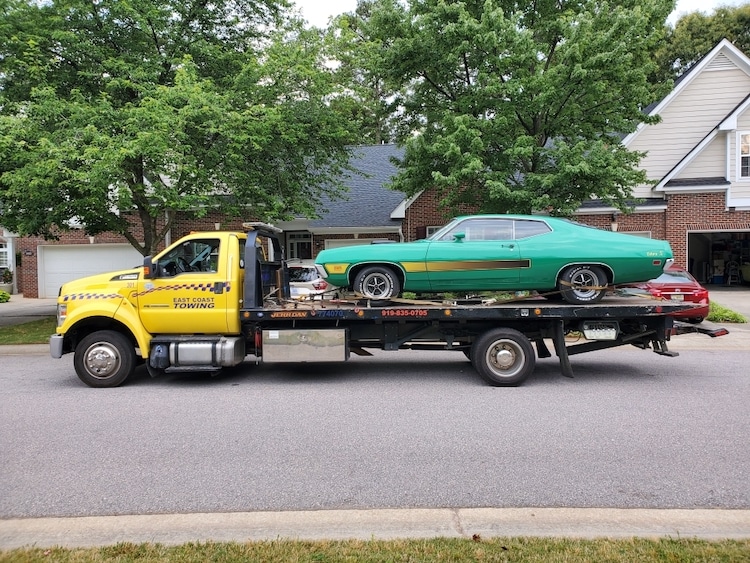
Utilizing a towing service that specializes in classic and vintage cars ensures that your prized vehicle receives the care and attention it deserves. These services are equipped with the specialized knowledge and tools necessary to manage the unique requirements of vintage automobiles, significantly enhancing the towing experience. When faced with the unexpected need for towing, classic car owners can rest assured knowing their vehicles are in capable hands, minimizing the risk of damage during transport.Specialized knowledge plays an integral role in enhancing the towing experience for classic and vintage cars.
These vehicles often have distinct mechanical and structural characteristics that require a particular approach to handling. Towing operators experienced with vintage automobiles understand the delicate nature of these cars, from their suspension systems to their vintage wiring. This familiarity allows them to use techniques and equipment tailored to prevent any potential damage, ensuring that the car is towed safely and securely.
Success Stories from Classic Car Owners
Numerous classic car owners have shared positive experiences after utilizing specialized towing services. For instance, one owner of a 1967 Mustang recounts how the towing team carefully loaded his vehicle onto the flatbed using soft straps to avoid any scuffs or scratches, a practice that standard companies often overlook. Another classic car enthusiast shared how their vintage Jaguar was transported across state lines without a hitch, thanks to a team that took the time to communicate every step of the process.The following points highlight what sets specialized towing services apart from standard towing companies:
- Expert Handling: Trained professionals understand the intricacies of classic car construction and requirements.
- Custom Equipment: Specialized towing equipment designed to accommodate the unique weight and dimensions of vintage vehicles.
- Personalized Service: An emphasis on customer care, ensuring the owner is involved and informed throughout the towing process.
- Insurance and Liability Coverage: Comprehensive insurance policies that specifically cover classic and vintage cars, providing peace of mind.
- Restoration Awareness: Acknowledgment of the potential value and significance of a classic car, fostering a respect that standard services may lack.
Evaluating the costs associated with towing classic and vintage cars is essential for planning.
When considering the transportation of classic and vintage cars, understanding the costs involved is critical for proper budgeting. Towing services designed for these unique vehicles often come with varied pricing structures, reflecting the specialized care and expertise required to handle them safely. The costs can fluctuate based on several factors, including the type of service, vehicle condition, and distance traveled.Towing services for vintage vehicles typically employ a tiered pricing structure that accommodates the specific needs of these cherished cars.
Rates may vary significantly, often starting at around $75 for local towing but can exceed $300 or more for long-distance transport. Premium services, such as enclosed towing, which provides additional protection against the elements, may incur extra charges, sometimes adding $100 to $200 to the base rate.
Factors Influencing Towing Costs
Several key factors can influence the overall cost of towing classic and vintage cars. Recognizing these elements is vital for making informed decisions when seeking towing services:
- Distance of Tow: The longer the distance, the higher the cost, with rates usually calculated per mile.
- Type of Vehicle: Larger or heavier vintage vehicles may incur additional fees compared to standard-sized cars.
- Condition of the Vehicle: Non-operational cars may require specialized equipment, increasing the service price.
- Time of Service: Towing during off-hours or holidays may come with premium pricing.
- Type of Equipment Used: Enclosed transport offers extra protection but at a higher cost than open towing.
The following table summarizes various pricing tiers based on service levels and vehicle types:
| Service Level | Vehicle Type | Estimated Cost |
|---|---|---|
| Basic Local Towing | Standard Vintage Vehicle | $75 – $150 |
| Long-Distance Towing | Classic Car | $200 – $400+ |
| Enclosed Transport | High-Value Vintage Vehicle | $300 – $600+ |
| Emergency Towing | Any Vehicle | $100 – $250 |
Understanding the costs of towing vintage vehicles is essential for ensuring their safe and secure transportation.
Final Wrap-Up
In summary, utilizing a towing service experienced with classic and vintage cars is crucial for ensuring the safe transport of these treasured vehicles. By understanding the specific requirements and risks associated with towing, vehicle owners can make informed decisions when selecting a service that meets their needs. The combination of specialized knowledge, proper equipment, and insurance considerations culminates in a towing experience that protects both the vehicle and the owner’s peace of mind.
Query Resolution
What makes towing classic cars different?
Towing classic cars requires specialized equipment and techniques to ensure their safety during transport, as these vehicles can be more fragile and valuable than modern cars.
Is insurance necessary for towing classic cars?
Yes, insurance is essential to protect against potential damages during the towing process, as well as to cover liabilities that may arise.
How should I prepare my classic car for towing?
Before towing, ensure that the vehicle is clean, removable items are secured, and the tires are properly inflated. It’s also advisable to have the owner’s manual and spare keys on hand.
What should I look for in a towing service?
Seek a towing service with experience in handling classic cars, positive reviews from the classic car community, and the right equipment for safe transport.
Can I use a standard towing service for my vintage vehicle?
While some standard towing services may be capable, it is recommended to use a specialized towing service to ensure the safety and integrity of your vintage vehicle.