 Sean Plundeke
Towing service for cars stuck in mud or sand is a specialized field that addresses the unique challenges faced by drivers in difficult terrains. Many car owners find themselves in a predicament when their vehicle becomes immobilized in muddy or sandy conditions, often leading to frustration and potential damage to their cars. Understanding the complexities involved in towing from these terrains, including the physical properties of mud and sand, is essential for effective recovery efforts.
This introduction aims to provide insights into the necessary equipment, techniques, and safety measures that both service providers and vehicle owners should consider to ensure successful towing operations.
Understanding the challenges associated with towing cars stuck in mud or sand is crucial for effective service.

When vehicles become immobilized in challenging terrains such as mud or sand, the process of towing becomes significantly more complex. Understanding these challenges is vital for towing service providers to ensure effective and safe recovery operations. The unique properties of these terrains present specific difficulties that require specialized knowledge and equipment.Towing vehicles from mud or sand involves a variety of complications.
The inherent properties of these substances can greatly hinder both the vehicle’s mobility and the effectiveness of towing efforts. Mud is typically thick and viscous, while sand can be loose and shifting, both of which create a challenging environment for recovery. The adherence of mud to tires and undercarriages can create a significant grip, making it difficult for vehicles to be pulled free.
Similarly, the instability of sand can lead to slippage, causing the towing vehicle to become stuck as well.
Common scenarios where cars get stuck
Several scenarios frequently lead to vehicles becoming trapped in mud or sand. Understanding these situations can help towing professionals prepare adequately for the challenges they may face. The following are common conditions that typically result in vehicles being immobilized:
- Driving through flooded areas where water and mud combine, leading to deep, soft ground.
- Attempting to park or drive on sandy beaches, where vehicles can sink into loose sand, especially during high tide or after rain.
- Off-road excursions where vehicles may encounter unexpected mud pits or bogs, making recovery difficult.
- Heavy rains turning dirt roads into muddy traps, where vehicles lose traction and become stuck.
The physical properties of mud and sand are instrumental in these scenarios. For instance, mud can be very heavy, often clinging to the vehicle and creating additional weight that must be considered during towing. Sand, on the other hand, can shift under the weight of vehicles, causing them to sink further and complicating the recovery process.
The combination of mud’s stickiness and sand’s shifting nature can create a perfect storm for vehicle immobilization.
Identifying the necessary equipment for towing cars trapped in mud or sand can enhance effectiveness.
When vehicles become stranded in mud or sand, the right towing equipment is essential to ensure a successful recovery while minimizing potential damage to the vehicle. Having the appropriate tools on hand not only expedites the towing process but also protects the integrity of the vehicle being freed. Understanding the specific needs of such challenging environments can significantly improve service effectiveness.Effective towing in sandy and muddy conditions requires specialized equipment designed to handle the unique challenges presented by these terrains.
Inadequate tools can lead to further complications, including vehicle damage or unsuccessful towing attempts. Below is a detailed list of essential equipment that towing services should consider for operations in mud and sand.
Essential Tools and Vehicles for Towing in Sandy and Muddy Environments, Towing service for cars stuck in mud or sand
The choice of tools and vehicles is crucial when responding to vehicles stuck in challenging terrains. Each piece of equipment plays a unique role in enhancing the towing effectiveness and ensuring the protection of the vehicle involved.
- 4×4 Recovery Vehicle: Equipped with off-road capabilities, these vehicles can navigate rough terrain and provide the necessary traction to pull a stuck vehicle out of mud or sand.
- Winches: A winch, especially with a high pulling capacity, allows for controlled towing without the risk of sudden jerks that could damage either vehicle.
- Recovery Straps: These are designed to withstand the forces involved in towing and are less likely to snap under tension, providing a safer towing experience.
- Shovels: Essential for clearing away mud or sand that may be obstructing the wheels, ensuring the vehicle can be freed without excessive force.
- Traction Mats: Placing these mats under the tires can provide immediate traction, allowing the vehicle to gain movement and prevent deeper entrapment.
- Tire Deflators: Lowering tire pressure can increase surface area and improve traction, making it easier for the vehicle to escape mud or sand.
Utilizing the right gear can significantly reduce the likelihood of causing further damage to the vehicle being towed. For instance, using a winch limits the risk of jolting the vehicle, which can lead to suspension or body damage. Moreover, recovery straps that are specifically designed for such tasks will not only securely attach to the vehicle but will also provide the necessary strength to handle the strain of towing effectively.
“The right equipment not only ensures the safe recovery of a vehicle but also preserves its structural integrity during the towing process.”
Demonstrating proper towing techniques for safely extracting vehicles from mud or sand is essential for service providers.
When it comes to towing vehicles stuck in mud or sand, employing the right techniques is crucial for ensuring both safety and efficiency. Service providers should be well-versed in the step-by-step procedures necessary for extracting vehicles from challenging terrains, as improper towing can lead to further damage to the vehicle or injury to individuals involved. This section Artikels the essential techniques and considerations for effective towing in these difficult conditions.
Step-by-step procedures for safe towing from difficult terrains
Understanding the correct procedures for towing a vehicle from mud or sand is vital. The following steps should be adhered to for a successful extraction:
1. Assess the Situation
Before attempting to tow, evaluate the conditions surrounding the vehicle. Check the depth of the mud or sand, the vehicle’s position, and any obstructions that may complicate the towing process.
2. Prepare the Equipment
Ensure that all towing equipment, including the tow truck and any straps or chains, are in proper working order. Inspect the hitch and coupling mechanism for any wear or damage.
3. Communicate Clearly
Establish communication between the vehicle operator and the towing personnel. This ensures all parties are aware of the plan and actions to be taken.
4. Position the Tow Vehicle
The towing vehicle should be positioned in a way that maximizes traction and control. Ideally, it should face the direction of the extraction to provide a straight pull.
5. Establish Anchor Points
Choosing the right anchor points on the stuck vehicle is essential. The points should be strong and secure to prevent any failure during the towing process. Use recovery points or the vehicle’s frame, avoiding plastic components or weak areas.
6. Begin the Towing Process
Slowly engage the tow vehicle, applying tension gradually to avoid sudden jerks that could damage either vehicle. Use low gear to maintain control.
7. Monitor and Adjust
Continuously monitor the vehicle being towed. If it becomes dislodged or if the towing vehicle encounters issues, stop immediately to reassess the situation.
8. Complete the Extraction
Once the vehicle is free, carefully guide it to a stable surface. Ensure the vehicle is secure before disconnecting the tow equipment.
Importance of vehicle positioning and anchor points during the towing process
Correct vehicle positioning and selecting appropriate anchor points are critical for safe and effective towing. Here’s why these factors are paramount:
Vehicle Positioning
Ensuring the tow vehicle is directly aligned with the stuck vehicle helps to minimize strain on both vehicles during extraction. It also allows for better control, reducing the risk of accidents.
Secure Anchor Points
The choice of anchor points can make or break the towing operation. Using strong, designated recovery points that are designed for towing ensures that the forces applied during extraction do not cause damage.
Safety Considerations
Proper positioning prevents unnecessary movements that could lead to injuries or further complications. By maintaining a clear line of sight and an organized extraction plan, the risk of accidents is significantly reduced.In summary, demonstrating proper towing techniques, assessing the situation accurately, and ensuring correct vehicle positioning and selecting secure anchor points are essential practices for safely extracting vehicles from mud or sand.
These practices not only protect the vehicles involved but also ensure the safety of the operators and bystanders.
Discussing the role of towing service providers in customer safety and satisfaction in challenging terrain scenarios is vital.
In the realm of towing services, particularly in scenarios involving vehicles trapped in mud or sand, the safety and satisfaction of customers are paramount. Towing professionals play a crucial role in ensuring both the physical safety of the occupant and the integrity of the vehicle. Their expertise and knowledge in navigating challenging terrains are essential components of effective service delivery.The responsibilities of towing professionals extend beyond merely retrieving a stuck vehicle.
They are tasked with assessing the situation to mitigate any potential risks associated with towing in precarious conditions. The following points Artikel the core responsibilities that towing professionals undertake to ensure safety:
Responsibilities of Towing Professionals
Towing professionals are equipped with specialized skills and tools essential for ensuring the safety of both the vehicle and its occupants. Their responsibilities include:
- Conducting a thorough assessment of the situation before attempting to tow the vehicle, identifying hazards such as unstable ground or nearby obstacles.
- Utilizing appropriate towing equipment and techniques tailored to the specific challenges posed by mud or sand.
- Implementing safety protocols to protect both the vehicle and its occupants from injury during the towing process.
- Monitoring weather and terrain conditions that may affect the towing operation, ensuring that the right approach is taken to prevent further complications.
Effective customer service is vital in building trust during challenging towing situations. It is essential for towing service providers to adopt strategies that create a sense of security and reliability for their clients.
Customer Service Strategies for Building Trust
In challenging scenarios, the perception of safety and professionalism heavily influences customer satisfaction. To foster trust and ensure satisfaction, towing service providers should consider the following strategies:
- Maintaining transparency regarding the towing process and any costs involved, ensuring that customers are fully informed before proceeding.
- Providing clear and timely updates throughout the towing operation, keeping customers informed about estimated arrival times and the status of the tow.
- Listening to customer concerns and addressing them promptly, demonstrating a commitment to their safety and well-being.
- Offering assistance beyond towing, such as tips for preventing future incidents in similar terrains, which reinforces the provider’s role as a helpful resource.
Communication is a cornerstone of effective towing services, especially during challenging situations. Keeping customers informed not only aids in minimizing anxiety but also fosters a collaborative atmosphere.
Importance of Communication Throughout the Towing Process
Effective communication is critical in ensuring a smooth towing process, particularly when dealing with customers who may be stressed or anxious. The following practices can enhance communication:
- Establishing initial contact with the customer to gather essential information about the vehicle, location, and nature of the issue.
- Providing regular updates during the towing process to reassure the customer and keep them informed of any changes.
- After completing the tow, discussing any damage that may have occurred and offering solutions or further assistance if needed.
- Encouraging feedback from customers to continuously improve service and address any lingering concerns.
Through these measures, towing service providers not only enhance customer satisfaction but also contribute significantly to the overall safety and trustworthiness of their services in challenging terrain scenarios.
Analyzing the environmental impacts of towing services in muddy and sandy areas can promote responsible practices.: Towing Service For Cars Stuck In Mud Or Sand
Towing services play a critical role in assisting vehicles that become immobilized in muddy or sandy terrains. However, the operation of these services can have significant environmental impacts that must be carefully analyzed and managed. Understanding these impacts is essential to promote responsible towing practices that protect ecosystems and minimize damage to natural habitats.Environmental considerations for towing services include soil erosion, vegetation destruction, and disruption of local wildlife.
When towing in sensitive areas, vehicles can compact soil, disrupting its natural structure and leading to erosion. Additionally, the removal of vegetation not only affects the immediate area but can also alter local ecosystems, impacting flora and fauna dependent on those plants. Consequently, towing services must adopt strategies that minimize these potential harm factors.
Strategies to Minimize Environmental Damage While Towing
To ensure that towing activities do not contribute to environmental degradation, several responsible practices can be implemented. These strategies focus on reducing the ecological footprint while effectively performing towing operations.
- Utilize Eco-Friendly Equipment: Employing towing vehicles equipped with low-emission engines and all-terrain tires can minimize fuel consumption and environmental impact.
- Implement Protective Measures: Using mats or boards beneath tow vehicles can help distribute weight and reduce soil compaction in delicate areas.
- Avoid Sensitive Habitats: Planning towing routes that avoid ecologically sensitive areas, such as wetlands or endangered species habitats, is crucial.
- Educate and Train Personnel: Providing training on environmental awareness and responsible towing practices ensures that towing operators understand the importance of protecting the environment.
- Restore Affected Areas: After towing operations, efforts should be made to restore any disturbed land by replanting native vegetation and addressing any soil erosion.
The importance of adhering to local regulations and guidelines cannot be overstated when operating in sensitive areas. Many regions have specific laws designed to protect vulnerable ecosystems, and compliance with these regulations is essential to safeguard the environment. Towing companies are encouraged to stay informed about local environmental policies and to collaborate with environmental agencies when necessary. This cooperation contributes not only to lawful operations but also to the preservation of natural landscapes for future generations.
Responsible towing practices are vital in maintaining ecological balance while providing essential services.
Exploring the advancements in towing technology that assist in recovering vehicles from mud or sand is insightful.
The recovery of vehicles stuck in mud or sand has seen significant advancements in towing technology, making the process more efficient and effective. These innovations not only enhance the capability of towing services but also ensure the safety of both the vehicle and the operators involved in the recovery process. As challenges posed by difficult terrains become more prevalent, the need for improved towing solutions is paramount.Innovative tools and methods have been developed to optimize towing operations.
From advanced winching systems to specialized towing vehicles, these technologies streamline the recovery process and reduce the likelihood of further complications during extraction. For instance, the introduction of electric winches has significantly improved the ease and speed of pulling vehicles from challenging conditions. Electric winches can generate substantial pulling power while minimizing the need for manual labor, which is particularly beneficial in muddy or sandy environments where traction can be a major issue.
Innovative Tools and Methods for Enhanced Towing Efficiency
The development of advanced tools has transformed the towing industry, especially when dealing with vehicles stuck in challenging terrains. The following are key advancements that have improved towing efficiency:
- Automatic Traction Control Systems: These systems adjust the towing vehicle’s power delivery to optimize traction, preventing slippage in soft ground conditions.
- Portable Ground Condition Assessors: These devices utilize sensors to evaluate soil composition and moisture levels, providing crucial data for safe towing operations.
- Advanced Recovery Straps and Slings: Made from high-strength synthetic fibers, these tools are designed to withstand extreme forces, ensuring a safe recovery without damaging the vehicle.
- Enhanced Towing Vehicle Designs: Modern towing vehicles are equipped with higher ground clearance, wider tires, and reinforced structures to navigate through mud and sand more effectively.
- GPS and Terrain Mapping Technology: Integrated systems that provide real-time mapping and geolocation help operators identify the best routes for recovery efforts, minimizing time spent in precarious situations.
The integration of technology in assessing ground conditions before towing is crucial for ensuring safety and efficiency during recovery operations. By employing ground condition assessors, operators can gain valuable insights into the terrain, allowing them to prepare accordingly and choose the most effective recovery strategy. This proactive approach significantly reduces the risk of further immobilizing the vehicle or causing additional damage.Recent developments in towing equipment have also focused on creating solutions specifically designed for difficult terrains.
For example, manufacturers are now producing towing vehicles with specialized suspension systems that can adapt to uneven surfaces, providing better stability and control during recovery. Additionally, tools such as inflatable recovery tracks are gaining popularity for their ability to provide immediate traction under tires, making it easier for vehicles to escape from mud and sand without the need for extensive equipment.
“Innovative towing technology not only enhances recovery efficiency but also significantly reduces the risks associated with vehicle extraction in difficult environments.”
These advancements in towing technology not only enhance the operational capabilities of towing services but also ensure a safer and more effective recovery experience for vehicles stuck in mud or sand. The continued evolution of these technologies is essential in meeting the diverse challenges that arise in the towing industry, ultimately leading to improved service for clients in distressing situations.
Creating a checklist for vehicle owners to follow when their car becomes stuck in mud or sand can empower individuals.
When a vehicle becomes stuck in mud or sand, the immediate reaction can often lead to panic or frustration. However, having a proactive approach through a checklist can significantly enhance a driver’s ability to respond effectively and efficiently. This empowers individuals to take control of the situation, ensuring not only their safety but also the safety of their vehicle.In the unfortunate event that a vehicle does become stuck, there are essential steps that should be taken promptly.
Follow this guide to navigate the situation effectively and minimize potential damage.
Immediate Steps to Take When Stuck
It is crucial for vehicle owners to remain calm and follow a systematic approach when their car gets stuck. The following checklist Artikels key actions to consider:
- Assess the situation: Evaluate how deeply the vehicle is stuck and whether there are any immediate hazards in the surrounding area.
- Shift into neutral: This allows the vehicle to roll freely when attempting to move it out of the stuck position.
- Do not spin the wheels: Spinning the wheels can create deeper ruts and make the situation worse.
- Clear debris: Remove mud or sand from around the tires and undercarriage to help the vehicle gain traction.
- Use traction aids: Place materials such as sand, gravel, or even floor mats under the tires to provide additional grip.
- Seek assistance: If the vehicle cannot be freed, contact a towing service for professional help.
Preparations to Avoid Getting Stuck
Preventative measures can be the key to avoiding the predicament of getting stuck in mud or sand. Vehicle owners can take the following steps to ensure they are prepared:
- Choose the right vehicle: Opt for a vehicle with suitable capabilities for off-road conditions.
- Check tires regularly: Ensure tires are adequately inflated and have sufficient tread for traction.
- Educate on terrain: Familiarize yourself with the areas where you plan to drive and avoid risky off-road conditions when possible.
- Carry recovery tools: Equip the vehicle with tools such as a shovel, tow strap, and traction boards for emergencies.
- Travel in groups: When possible, drive with others who can assist if a vehicle becomes stuck.
Importance of Having a Towing Service Contact
Having the contact information of a reliable towing service readily available can greatly reduce stress during a vehicle emergency. In situations where self-recovery is not possible, a towing service can provide essential aid.
“Quick access to a towing service can transform a stressful situation into a manageable one.”
Keep the towing service contact stored in your phone and written down in your vehicle, enabling swift communication for assistance. This preparation can save valuable time and ensure that help arrives when needed most.
Sharing customer testimonials and case studies regarding successful towing experiences from mud or sand is valuable.
Customer testimonials and case studies serve as powerful tools in illustrating the effectiveness of our towing services for vehicles stuck in mud or sand. These real-life experiences showcase not only the skill and efficiency of our team but also provide hope and reassurance to potential customers facing similar predicaments. By sharing these narratives, we are able to highlight the tangible benefits of choosing our towing service, while also building trust through the valuable feedback of our clients.Successful towing operations depend on various factors, including the vehicle type, the conditions of the terrain, and the techniques employed by our towing professionals.
Collecting detailed accounts from customers who have experienced successful extractions allows us to analyze these factors closely. These insights not only shed light on the methodologies we use but also serve as a reference for future customers who may find themselves in similar situations. Understanding what has worked well in the past can significantly increase the chances of a successful towing experience.
Factors Contributing to Successful Towing Operations
Several critical factors play a role in the success of towing operations from mud or sand. These elements are essential in ensuring that the extraction is performed safely and efficiently. Key factors include:
- Equipment Quality: The use of modern, robust towing equipment enhances our ability to effectively navigate difficult terrains.
- Expertise of the Crew: Our trained professionals possess extensive experience and knowledge in towing techniques, which is vital for overcoming challenging situations.
- Assessment of Conditions: A thorough evaluation of the environmental conditions, such as the type of mud or sand, helps determine the best approach for extraction.
- Clear Communication with Customers: Understanding the specifics of the situation from the customer’s perspective allows us to tailor our strategy for each unique emergency.
- Proper Safety Measures: Implementing safety protocols ensures that both our crew and the vehicle remain unharmed during the towing process.
Real-life examples of towing successes reinforce the strategies we employ. For instance, one customer recounted a situation where their SUV became immobilized in a muddy stretch while navigating a remote area. Our towing team arrived promptly, equipped with specialized gear that allowed us to assess the risk of damaging the vehicle. Through effective communication, we guided the customer on how to prepare the vehicle for extraction.
Utilizing a winch and a series of pulleys, we were able to pull the SUV free without any damage, leaving the customer grateful and relieved.These accounts demonstrate not only the effectiveness of our approaches but also illustrate the importance of customer engagement throughout the process. Future customers can draw from these experiences by recognizing the value of thorough preparation, the necessity of choosing a qualified towing service, and the reassurance that help is available, even in the most challenging circumstances.
Last Recap
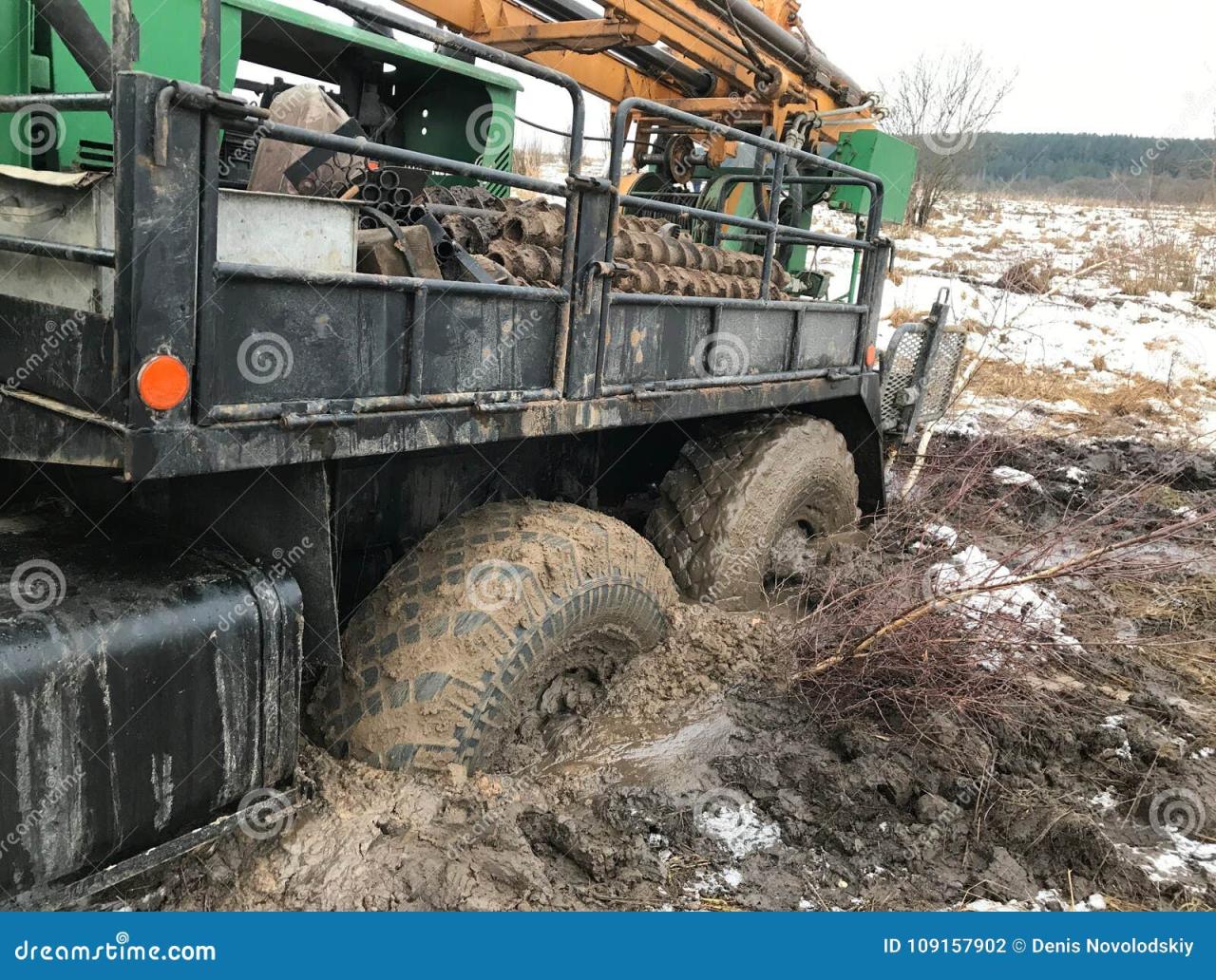
In conclusion, the towing service for cars stuck in mud or sand not only requires specialized knowledge and equipment but also emphasizes the importance of safety and environmental considerations. By equipping themselves with the right tools and following proper techniques, towing professionals can effectively assist those in need while minimizing damage and promoting responsible practices. Whether you are a vehicle owner or a towing service provider, understanding these dynamics can significantly enhance the towing experience and ensure a successful recovery.
Query Resolution
What should I do if my car gets stuck in mud or sand?
Immediately assess the situation, avoid spinning the wheels, and contact a towing service for professional assistance.
How can I prevent getting stuck in mud or sand?
Ensure your tires are suitable for off-road conditions, avoid driving in heavily saturated areas, and consider carrying traction aids.
What equipment do towing services use for these terrains?
Towing services typically use specialized winches, heavy-duty tow straps, and off-road vehicles equipped for challenging conditions.
Will towing my car out of mud or sand cause damage?
Proper techniques and equipment can minimize damage, but there’s always a risk; it’s best to use trained professionals.
How can I choose a reliable towing service?
Look for services with good reviews, proper equipment, and transparent pricing, especially those experienced in off-road towing.