 Sean Plundeke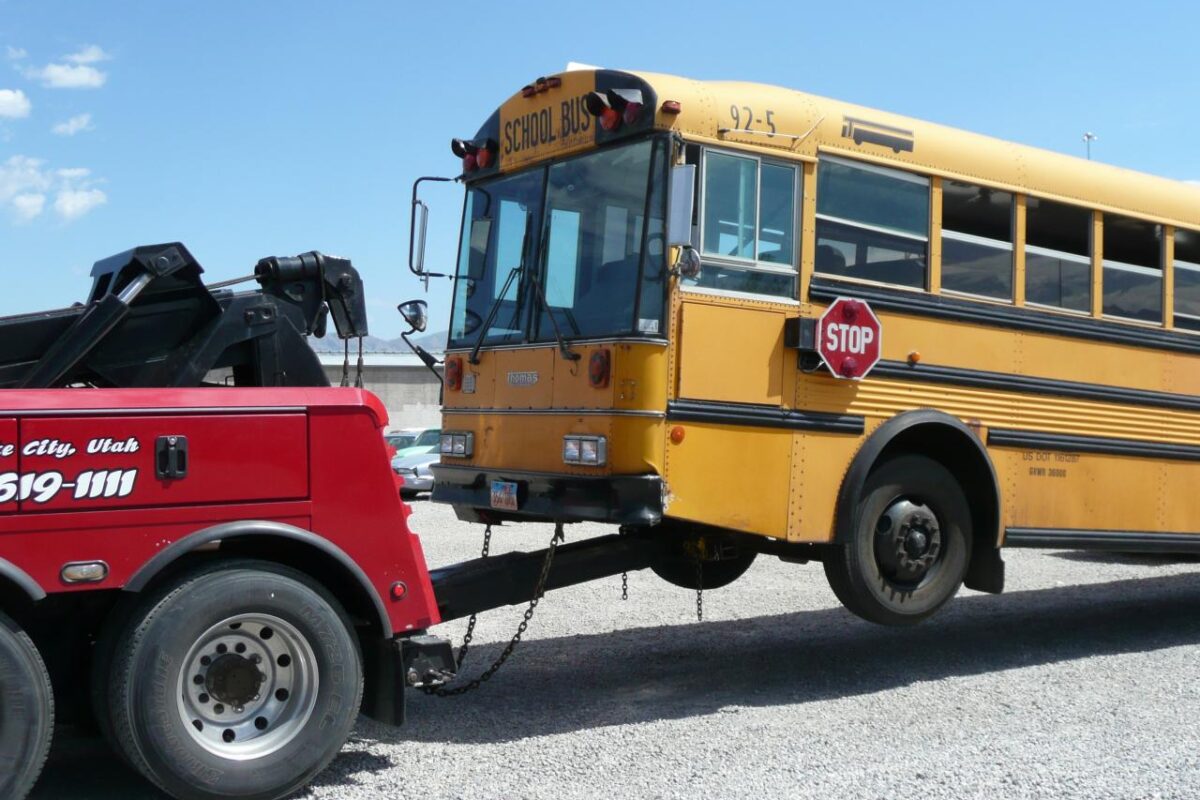
Heavy-duty towing service for trucks and buses is a vital aspect of the transportation industry, addressing the unique challenges faced by large vehicles during breakdowns or accidents. The complexities involved in towing trucks and buses necessitate specialized equipment and expertise to ensure safety and efficiency. By embracing these services, vehicle owners can minimize downtime and enhance operational reliability in an increasingly demanding environment.
The transportation sector often encounters unforeseen circumstances, prompting the need for reliable towing solutions. Heavy-duty towing services are equipped to handle the weight and size of trucks and buses, providing tailored support that standard towing services cannot offer. This overview aims to highlight the importance of these specialized services and the features that distinguish a reputable towing company, ensuring peace of mind for operators and fleet managers alike.
The Importance of Heavy-Duty Towing Services for Trucks and Buses
Heavy-duty towing services play a pivotal role in the transportation industry, particularly for trucks and buses that are essential for moving goods and passengers across vast distances. Unlike standard vehicles, trucks and buses are larger and heavier, which introduces unique challenges when they encounter breakdowns or accidents. The significance of specialized towing services cannot be overstated, as they ensure the safety and efficiency of road transport operations.When trucks and buses experience mechanical failures or accidents, they often require immediate assistance due to their size and the potential hazards they pose on the road.
The weight and dimensions of these vehicles can obstruct traffic, leading to further complications such as accidents involving smaller vehicles or delays in transportation schedules. Heavy-duty towing services are designed to address these urgent needs, providing the necessary equipment and expertise to safely transport these larger vehicles without causing additional damage or disruption.
Challenges Faced by Trucks and Buses During Breakdowns
Trucks and buses encounter several challenges during breakdowns that necessitate specialized towing services. The following points highlight these challenges:
- Weight Capacity: Trucks and buses can weigh several tons, making standard towing equipment inadequate. Heavy-duty tow trucks are specifically designed to handle these larger vehicles, ensuring safe transportation.
- Complex Mechanisms: The mechanical systems in heavy vehicles are more intricate than those in smaller cars. Specialized technicians are required to diagnose and manage issues, which emphasizes the need for experienced towing services.
- Road Regulations: Heavy vehicles must comply with specific road regulations concerning dimensions and weights. Towing services that understand these regulations can facilitate legal and safe transport.
- Hazardous Loads: Many trucks transport hazardous materials. Specialized towing services are equipped to handle such loads safely, ensuring compliance with safety standards.
- Time Sensitivity: Downtime for trucks and buses can lead to significant financial losses due to delays. Prompt response from heavy-duty towing services minimizes the impact of breakdowns on logistics and schedules.
The implications of not utilizing specialized towing services for larger vehicles are considerable. A lack of proper towing can lead to further damage to the vehicle, increased recovery costs, and longer downtime. Additionally, the safety of other road users can be compromised if trucks and buses are not removed from the roadway promptly and efficiently. Therefore, heavy-duty towing services are essential to maintain the integrity and efficiency of transportation operations, ensuring that trucks and buses can continue to serve their vital roles in the economy with minimal disruption.
Key Features of a Reliable Heavy-Duty Towing Service
A trustworthy heavy-duty towing service is essential for ensuring the smooth operation of commercial trucking and bus transportation. These services not only provide assistance during emergencies but also play a crucial role in minimizing downtime and maintaining safety on the road. Evaluating the key features of a reliable towing service can significantly influence the selection of an appropriate partner for your heavy-duty towing needs.One of the primary aspects to consider when selecting a heavy-duty towing company is their reliability.
A dependable service provider should be available 24/7, ensuring immediate assistance whenever required. This availability is particularly beneficial during off-peak hours when unexpected breakdowns occur.
Essential Features of a Reliable Heavy-Duty Towing Company
Identifying the essential features that define a trustworthy heavy-duty towing company can help businesses make informed decisions. The following characteristics are critical:
- Experienced and Trained Personnel: A reputable towing service employs staff members who are well-trained and experienced in handling heavy-duty vehicles. For instance, having certified technicians ensures that the towing process adheres to safety protocols, minimizing the risk of damage during recovery.
- Advanced Equipment: High-quality towing equipment is necessary for effective service delivery. Companies that utilize modern tow trucks and specialized tools can handle various situations, such as recovering large trucks from difficult terrains or accidents.
- Comprehensive Insurance: A reliable towing company carries adequate insurance to cover potential damages that may occur during the towing process. This feature protects both the towing company and the client, providing peace of mind in case of unexpected incidents.
- Transparent Pricing: Trustworthy towing services offer clear and upfront pricing without hidden fees. This transparency builds customer trust and eliminates surprises at the time of payment.
- Excellent Customer Service: A strong focus on customer service sets reputable towing companies apart. Friendly and knowledgeable representatives can guide customers through the towing process, ensuring they feel supported and informed during stressful situations.
The role of customer service in heavy-duty towing services cannot be overstated. Prompt communication and responsiveness to inquiries are vital, as they can alleviate the stress associated with vehicle breakdowns. A towing company with excellent customer service will not only dispatch assistance quickly but also provide updates throughout the towing process, enhancing the overall experience for the customer.
In heavy-duty towing, a commitment to service excellence is reflected in both the quality of assistance provided and the support offered to customers during challenging times.
Types of Equipment Used in Heavy-Duty Towing
Heavy-duty towing services rely on specialized equipment designed to handle the unique challenges posed by large vehicles such as trucks and buses. The equipment utilized in this type of towing is engineered to ensure safety, efficiency, and reliability during the towing process. Understanding the various types of towing equipment available is essential for both service providers and vehicle operators.The advancement of technology has significantly influenced the design and functionality of heavy-duty towing equipment.
Modern devices are equipped with enhanced features that improve towing capabilities and ensure the safety of both the towed vehicle and the towing crew. Elements such as hydraulic systems, winches, and advanced stabilization mechanisms play crucial roles in enhancing towing efficiency and safety.
Towing Equipment for Trucks
Heavy-duty towing equipment for trucks is specifically designed to accommodate the weight and dimensions of commercial vehicles. The following are common types of equipment used in this sector:
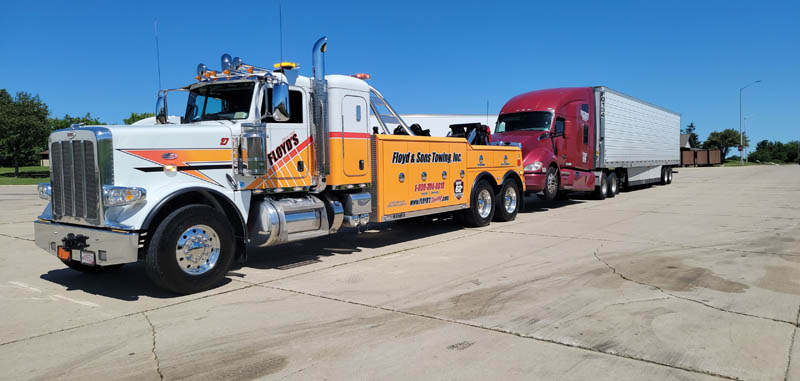
- Heavy-Duty Wreckers: These are equipped with powerful hydraulic systems that allow for the lifting and towing of large trucks. Their design often includes adjustable booms that can extend to reach vehicles in difficult positions.
- Rotator Tow Trucks: Featuring a rotating boom, these trucks can hoist vehicles at various angles, making them ideal for recovery situations where the truck is tipped over or in a precarious position.
- Flatbed Trailers: These are essential for transporting damaged trucks. Their flat surface provides stability for larger vehicles during transport.
Towing Equipment for Buses
Bus towing equipment is tailored to the distinct requirements of larger passenger vehicles. This equipment includes:
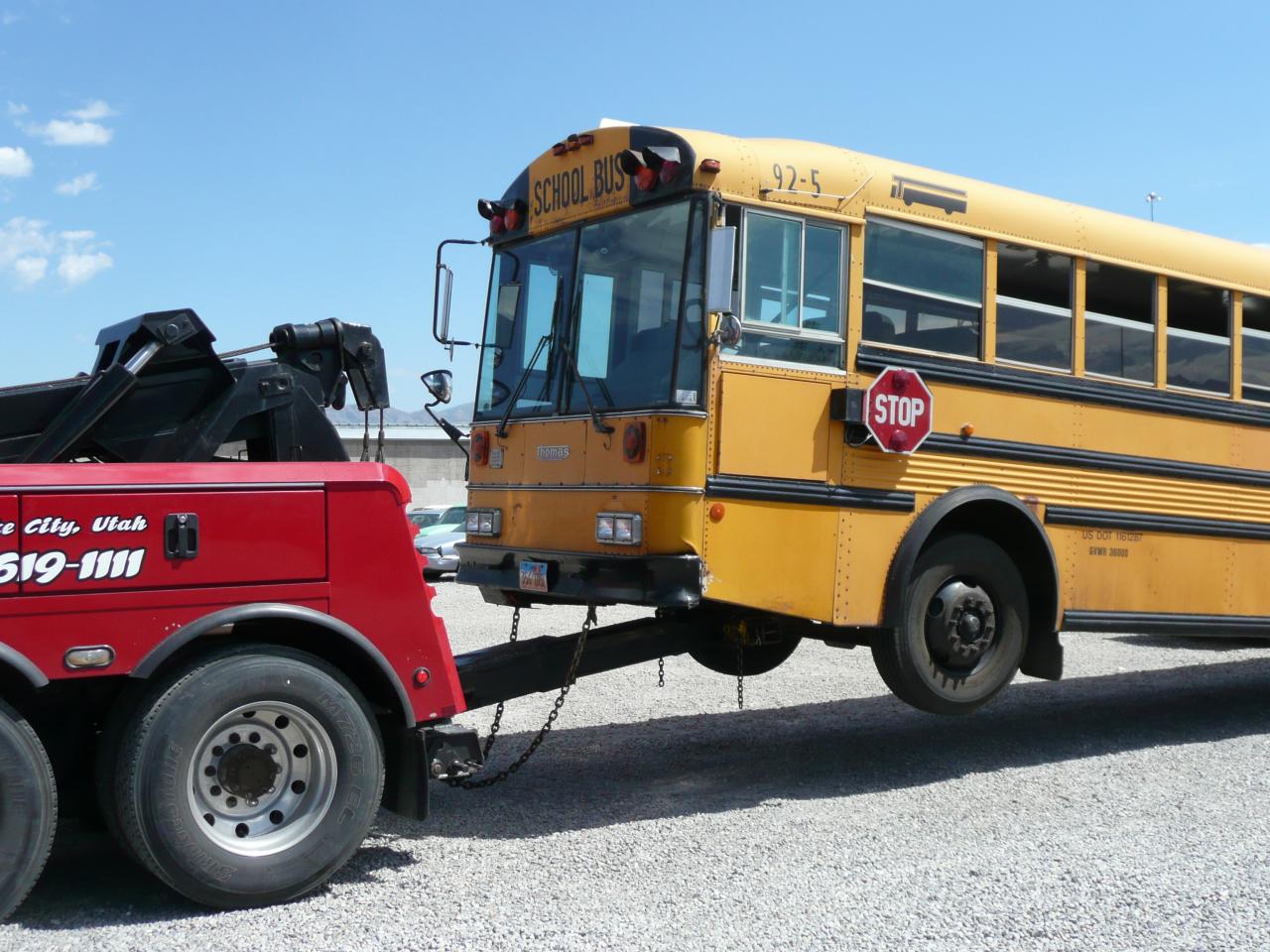
- Bus-Specific Tow Trucks: These trucks are designed with wider and more robust frames to support the weight of buses, typically equipped with specialized towing arms.
- Low-Profile Rollbacks: Featuring a lowered bed, these trucks allow for easier loading and unloading, especially for buses with low ground clearance.
- Heavy-Duty Chains and Straps: Used for securing buses during towing, these chains are designed to withstand significant tension and provide maximum safety during transport.
Comparison of Towing Equipment for Trucks vs. Buses
A clear understanding of the differences in towing equipment for trucks and buses is vital for any towing service. The following table Artikels key differences in equipment used for each type of vehicle:
| Equipment Type | Trucks | Buses |
|---|---|---|
| Heavy-Duty Wreckers | Commonly used with adjustable boom features | Less common; specialized versions may exist |
| Rotator Tow Trucks | Widely used for recovery tasks | Less frequently used; typically reserved for larger buses |
| Flatbed Trailers | Standard for transporting damaged trucks | Occasionally used, but less practical for passenger transport |
| Bus-Specific Tow Trucks | Not applicable | Specifically designed for bus dimensions |
| Low-Profile Rollbacks | Not commonly used | Essential for safe loading of low-clearance buses |
“The efficiency of heavy-duty towing equipment plays a crucial role in minimizing downtime and ensuring the safe recovery of vehicles in various situations.”
How to Choose the Right Heavy-Duty Towing Service
Selecting the right heavy-duty towing service for trucks and buses is crucial in ensuring effective, timely, and safe assistance when emergencies arise. The decision should be based on a thorough assessment of various factors that contribute to the service’s reliability and quality. This guide provides essential steps and considerations to help make an informed choice.One of the first steps in selecting an appropriate towing service involves conducting initial research.
Evaluating potential companies based on their experience, service area, and equipment can provide insight into their capabilities. Additionally, considering their response time and availability is critical, especially in emergency situations.
Importance of Reviews and Testimonials
Reviews and testimonials play a significant role in the decision-making process when choosing a towing service. They provide real-life experiences shared by previous customers, helping prospective clients gauge the quality of service offered. Positive reviews can indicate reliability and professionalism, while negative feedback can serve as a warning about potential issues.When analyzing reviews, it is advisable to consider the overall rating and the number of reviews.
A company with consistently high ratings and numerous testimonials is likely to be a dependable choice. Specific comments regarding response times, staff professionalism, and equipment quality can further illuminate the service’s strengths and weaknesses.
Checklist of Questions for Evaluating Towing Services
When assessing potential heavy-duty towing services, it is essential to ask specific questions to ensure the company meets your needs. The following checklist can guide your evaluation:To ensure a comprehensive evaluation, consider these crucial questions:
- What types of heavy-duty vehicles do you specialize in towing?
- Are you licensed and insured to offer towing services?
- What is your average response time for emergency towing situations?
- Do you have the necessary equipment and trained personnel for heavy-duty towing?
- What are your rates, and do you offer transparent pricing without hidden fees?
- Can you provide references or examples of previous clients and their experiences?
- What is your policy regarding vehicle damage during towing?
- Are your services available 24/7?
- How do you handle special requests or unique towing situations?
Each of these questions helps evaluate the service’s reliability, professionalism, and ability to meet specific towing needs. By carefully considering the answers and comparing them across different providers, you can make a well-informed decision that ensures your heavy-duty towing requirements are met efficiently and effectively.
The Process of Heavy-Duty Towing from Start to Finish
Heavy-duty towing services play a crucial role in assisting large vehicles, such as trucks and buses, that find themselves in need of transport due to breakdowns or accidents. Understanding the towing process is essential for ensuring a swift and efficient resolution to the situation. This process involves meticulous planning, skilled personnel, and robust communication to ensure safety and effectiveness throughout the operation.The heavy-duty towing operation is comprised of several steps that are executed methodically to ensure that the towing is conducted safely and efficiently.
Each step plays a significant role in achieving the final objective of transporting the vehicle to the desired location while minimizing further complications.
Steps Involved in Heavy-Duty Towing
The heavy-duty towing process unfolds through a series of well-defined steps. Each step contributes to the success of the operation and involves careful coordination among the team members. The following Artikels the key phases of the towing process:
- Initial Assessment: Upon receiving a distress call, the towing service dispatches a team to assess the situation. They evaluate the condition of the vehicle, the environment, and any potential hazards.
- Equipment Preparation: The towing team prepares the necessary equipment, which may include tow trucks equipped with specific capabilities suited for heavy-duty vehicles, safety gear, and recovery tools.
- Communication with Vehicle Owner: The towing service maintains clear communication with the vehicle owner to provide updates and gather essential information such as the vehicle’s make, model, and specific issues encountered.
- Towing Strategy Development: Based on the assessment, the team devises a towing strategy that considers the safest and most efficient method to transport the vehicle.
- Execution of Towing: The team carefully executes the towing plan, securing the vehicle onto the tow truck using appropriate techniques and safety measures to prevent damage during transit.
- Transport to Destination: Once secured, the vehicle is transported to the requested location, which may be a repair shop or a safe area for further inspection.
- Completion of Service: Upon arrival at the destination, the towing team carefully unloads the vehicle and ensures that it is in a safe position before concluding the service.
Roles of Personnel in Heavy-Duty Towing Operations
In a heavy-duty towing operation, various personnel play distinct yet interdependent roles. Understanding these roles ensures that the operation runs smoothly and efficiently.
- Towing Operator: The primary individual responsible for operating the tow truck, ensuring proper handling, and managing the towing equipment during the operation.
- Dispatcher: The dispatcher coordinates the response by communicating with both the towing team and the vehicle owner, relaying important information and managing logistics.
- Support Crew: Additional team members may assist in securing the vehicle, handling safety equipment, and directing traffic if necessary to provide a safe working environment.
- Mechanic or Technician: Sometimes on-site, these professionals assess the vehicle’s condition, offering expertise on potential repair needs and ensuring the vehicle is tow-ready.
Communication Protocols Between Towing Service and Vehicle Owner
Effective communication is vital during heavy-duty towing operations to guarantee safety and efficiency. The protocols established between the towing service and the vehicle owner facilitate a smooth interaction.
- Initial Contact: The towing service gathers critical information from the vehicle owner during the first call, including the vehicle’s location, type, and issue, to prepare adequately for the operation.
- Regular Updates: As the towing operation progresses, the towing team provides real-time updates to the vehicle owner, informing them of estimated arrival times and any changes to the plan.
- Post-Service Communication: After the vehicle has been towed, the towing service communicates with the owner regarding next steps and potential repair options, ensuring they are fully informed about their vehicle’s condition.
“Effective communication ensures that both the towing service and the vehicle owner are aligned on expectations and outcomes, leading to successful towing operations.”
Case Studies of Successful Heavy-Duty Towing Operations
Heavy-duty towing operations often face unique challenges that require skill, experience, and innovative solutions. This section presents several in-depth case studies that highlight successful heavy-duty towing operations, analyzing the difficulties encountered and the effective strategies employed to overcome them. Each case not only demonstrates the capabilities of towing services but also provides valuable insights and lessons learned that can benefit future operations.
Case Study: Towing a Stuck Bus on a Mountain Road
In one notable instance, a large passenger bus became stranded on a steep and icy mountain road after experiencing mechanical failure. The towing team was called in under severe weather conditions, which added complexity to the situation. The primary challenges included:
- Limited access for towing vehicles due to the narrow road.
- Risk of secondary accidents as vehicles struggled to navigate the icy terrain.
- Time constraints due to the passengers’ safety and the approaching storm.
To address these challenges, the towing service employed a multi-vehicle strategy. A heavy-duty tow truck was deployed alongside a specialized recovery vehicle equipped with snow chains and winches. The team expertly coordinated their efforts, securing the bus and carefully maneuvering it down the mountain. The outcome was successful; the bus was safely towed to a secure location without further incident.
The operation underscored the importance of:
Effective communication and teamwork, especially in high-pressure environments.
This case highlighted the need for appropriate equipment and contingency planning for extreme weather conditions.
Case Study: Recovery of a Commercial Truck from a Ditch
Another case involved a commercial truck that had rolled over and landed in a roadside ditch after the driver lost control while avoiding an animal. Key challenges faced during this operation included:
- Ensuring the safety of the driver and any bystanders.
- Preventing fuel leakage from the truck’s damaged tank.
- Navigating the soft terrain surrounding the ditch.
The towing crew quickly assessed the situation and worked methodically to stabilize the truck using air cushions to lift it out of the ditch. They utilized a rotator tow truck, which allowed them to carefully reposition the vehicle while minimizing further damage. The operation concluded successfully with the truck being safely righted and towed away. This incident taught several important lessons:
Prioritizing safety and environmental concerns is paramount in recovery operations.
The case also reinforced the necessity for specialized equipment in diverse recovery scenarios.
Case Study: Multi-Vehicle Collision on the Highway
In a complex incident involving a multi-vehicle collision on a busy highway, a heavy-duty towing service was called to manage the aftermath. This operation presented a series of challenges, including:
- Managing traffic flow while conducting recovery operations.
- Coordinating with emergency services and law enforcement.
- Dealing with damaged vehicles of various sizes, including a bus and several trucks.
The towing team implemented a strategic traffic management plan, which involved setting up barricades and signaling devices to redirect vehicles away from the collision site. A combination of flatbed and heavy-duty tow trucks were deployed to recover the various vehicles efficiently. The successful execution of this operation resulted in minimal disruption to traffic and a swift return of the highway to normal conditions.
Key takeaways from this operation included:
Coordination with multiple agencies is essential for effective incident management.
This case highlighted the importance of planning and communication in large-scale recovery efforts.
Safety Protocols in Heavy-Duty Towing
In the heavy-duty towing industry, safety is paramount. The unique challenges associated with towing large vehicles such as trucks and buses necessitate stringent safety protocols to protect both personnel and the general public. By adhering to established safety standards and operational guidelines, towing professionals can mitigate risks and ensure the safe transport of oversized loads.Heavy-duty towing involves a range of safety measures that are critical for the efficacy of operations.
These protocols encompass vehicle inspections, proper use of equipment, and adherence to legal regulations. Employing these safety protocols not only protects the towing personnel but also safeguards other road users. The following details Artikel essential safety practices that should be integrated into every heavy-duty towing operation.
Critical Safety Protocols
Establishing and maintaining a set of critical safety protocols is essential for preventing accidents and ensuring effective towing operations. Key protocols include:
- Pre-Tow Vehicle Inspection: Conduct a thorough inspection of both the towing vehicle and the vehicle being towed to identify any issues that could compromise safety.
- Use of Proper Equipment: Ensure that the towing equipment, including hooks, chains, and straps, are rated for the weight of the vehicle being towed. Regular maintenance checks on this equipment are also essential.
- Weight Distribution Awareness: Understand the dynamics of weight distribution when towing. An improperly balanced load can lead to loss of control.
- Clear Communication: Use hand signals or two-way radios to establish clear communication between towing personnel, especially in complex towing situations.
- Traffic Control Measures: When towing on busy roads, utilize warning lights, reflective cones, or flares to alert other drivers of the operation and create a safe working environment.
Common Hazards and Mitigation Strategies
Heavy-duty towing is fraught with potential hazards. Identifying these hazards and implementing mitigation strategies is vital. Notable hazards include:
- Vehicle Instability: Large vehicles may become unstable if improperly secured. Regularly assess and adjust securing methods to maintain stability throughout the towing process.
- Road Conditions: Poor weather or road conditions can increase risks during towing. Always monitor weather forecasts and adjust plans accordingly.
- Equipment Failure: Mechanical failure can lead to severe accidents. Routine maintenance and inspections can significantly reduce this risk.
- Fatigue: Operator fatigue can impair judgment and reaction times. Encourage regular breaks and shifts to maintain alertness among towing personnel.
Training and Certification for Personnel
Proper training and certification are fundamental components of a safe towing operation. All towing personnel must undergo comprehensive training programs that cover safety protocols, equipment usage, and emergency response procedures. Certification should be obtained from recognized industry bodies which ensures that personnel are equipped with the necessary skills and knowledge.Furthermore, ongoing training sessions are crucial for adapting to new technologies, regulations, and safety practices.
This commitment to education not only enhances the safety of operations but also promotes a culture of safety within the organization.
“Safety in heavy-duty towing is not just a protocol but a culture that must be embraced by all personnel involved.”
The Cost Factors of Heavy-Duty Towing Services
Understanding the cost factors associated with heavy-duty towing services is essential for businesses and individuals who rely on such services. Various elements influence the pricing, and being informed can help customers make better financial decisions. This discussion covers the primary factors that affect the costs, a breakdown of potential expenses involved in towing operations, and practical tips for obtaining the best value.
Factors Influencing Pricing
Several key factors influence the pricing structure of heavy-duty towing services. These include:
- Vehicle Size and Weight: Heavier and larger vehicles require more specialized equipment and greater effort, resulting in higher towing costs.
- Towing Distance: The farther the towing distance, the more it will typically cost. Long-distance towing may incur additional fees for fuel and time.
- Time of Service: Emergency towing services, especially during nights or holidays, tend to be more expensive due to increased demand and operational costs.
- Type of Service Required: Services such as winching, recovery from difficult terrains, or specialized equipment for oversized loads may incur extra charges.
- Additional Services: Fees can increase if additional services such as storage, roadside assistance, or vehicle repair are needed during the towing process.
Potential Costs Involved in a Towing Operation
The costs of a heavy-duty towing operation can vary significantly based on the aforementioned pricing factors. A typical breakdown of potential costs might include:
- Base Towing Fee: This is a standard charge for the initial towing service, which can range from $200 to $800 depending on the vehicle type and service provider.
- Distance Charges: Many towing companies charge a per-mile fee after the initial towing distance, which may range from $3 to $10 per mile.
- Service Fee: Additional fees for specific services, such as loading or unloading, can range from $50 to $150.
- Heavy-Duty Equipment Fees: The use of specialized towing equipment, like flatbeds or hydraulic lifts, may incur extra costs, often between $100 and $250.
- Emergency Service Premium: If a tow is required outside of normal business hours, companies may charge a premium of 25% to 50% more.
Tips for Getting the Best Value, Heavy-duty towing service for trucks and buses
To ensure you receive optimal value from a heavy-duty towing service, consider the following strategies:
- Research and Compare: Obtain quotes from multiple towing companies to compare rates and services. Look for customer reviews to gauge reliability and quality.
- Inquire About Hidden Fees: Ask about potential additional charges that might not be included in the initial quote, such as mileage, emergency fees, or service charges.
- Membership Benefits: Some organizations offer membership plans that provide discounts on towing services; consider joining if you frequently require towing.
- Plan Ahead: If possible, establish a relationship with a towing service before an emergency arises. This could lead to better rates and quicker response times.
- Understand Your Coverage: Review your insurance policy to check for any towing coverage, as this can significantly reduce out-of-pocket expenses.
“Understanding the various cost factors and being proactive can lead to significant savings when using heavy-duty towing services.”
Outcome Summary
In summary, the significance of heavy-duty towing service for trucks and buses cannot be understated, as it plays a crucial role in maintaining the flow of transportation logistics. Through understanding the key features, equipment, and safety protocols involved, vehicle owners can make informed decisions when selecting a towing service. Ultimately, investing in reliable heavy-duty towing not only safeguards vehicles but also contributes to the overall efficiency of transportation operations.
Top FAQs: Heavy-duty Towing Service For Trucks And Buses
What is heavy-duty towing?
Heavy-duty towing refers to the specialized towing services designed to handle large vehicles such as trucks and buses that require specific equipment and expertise due to their weight and size.
Why do I need a specialized towing service for larger vehicles?
Specialized towing services are essential for larger vehicles to ensure proper handling, safety, and adherence to local regulations, which standard towing services may not provide.
How much does heavy-duty towing typically cost?
Costs can vary widely based on distance, vehicle size, and specific services required, but obtaining quotes from multiple companies can help ensure competitive pricing.
What equipment is commonly used in heavy-duty towing?
Equipment typically includes heavy-duty tow trucks, flatbeds, and specialized lifting devices designed for the specific needs of larger vehicles.
How can I find a reliable heavy-duty towing service?
Researching reviews, asking for recommendations, and checking for appropriate certifications and insurance can help identify a trustworthy heavy-duty towing service.